
Best Online Puppy Training Programs in 2026
Puppy training and adult dog training are not the same thing. Puppies need short, gentle sessions focused on socialization, bite inhibition, and basic manners, not the same drills you’d use to fix an adult dog’s problem behavior. These are the online programs actually built with that difference in mind.
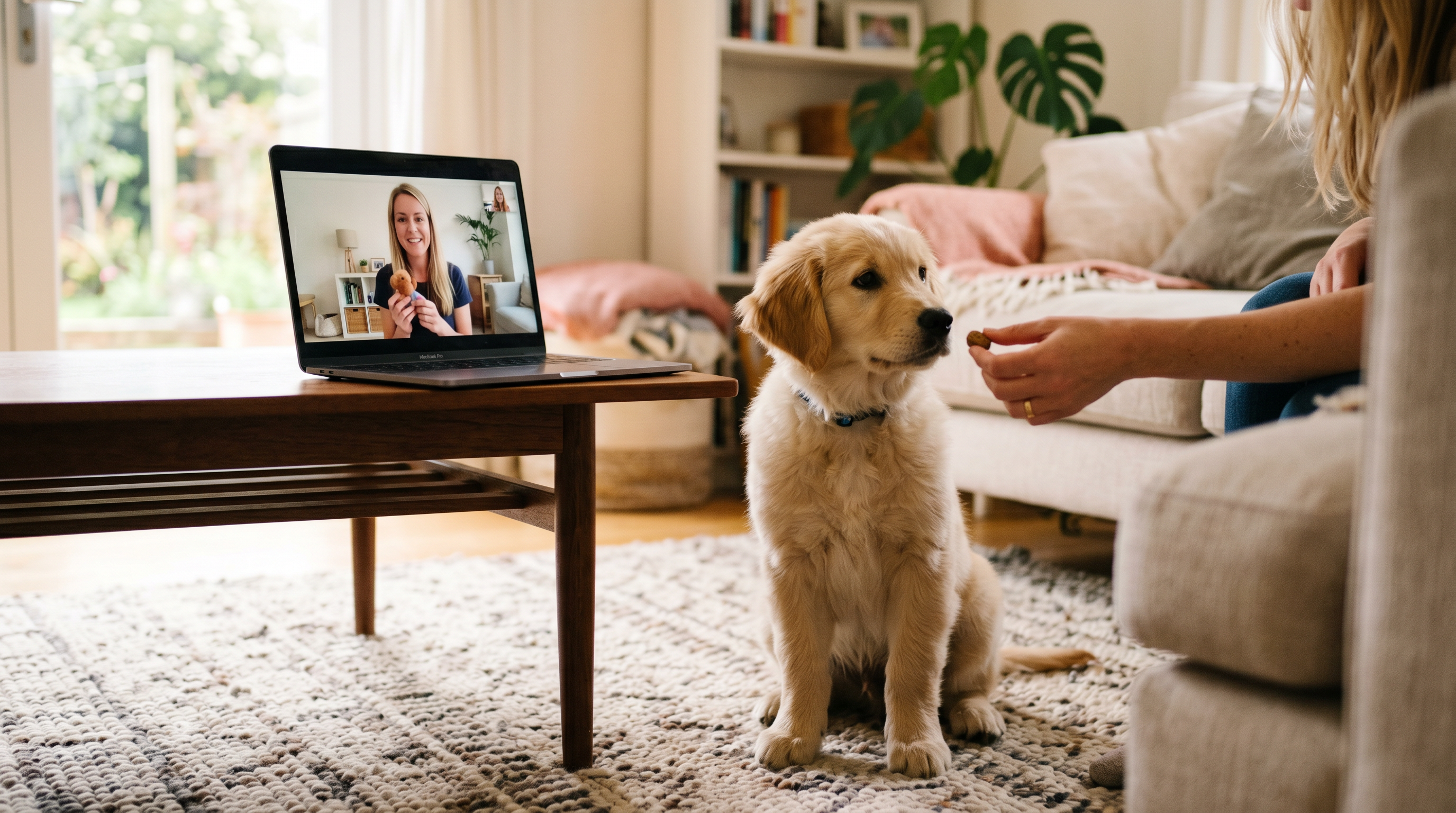
What to Look for in a Puppy-Specific Program
- Age-appropriate lessons for the critical socialization window (roughly 8-16 weeks)
- Short sessions (5-15 minutes) that match a puppy’s actual attention span
- Force-free, reward-based methods rather than punishment or dominance-based techniques
- Guidance on crate training, potty training, and biting/nipping, not just obedience commands
- A community or support option for troubleshooting real-time problems
1. Dunbar Academy
Dunbar Academy was founded by Dr. Ian Dunbar, a veterinarian and animal behaviorist who pioneered puppy socialization classes and force-free training decades before it was mainstream. Its puppy-focused courses are built on peer-reviewed behavior science, and the platform includes structured programs any new owner can follow, plus a professional-level track for people who want to teach puppy classes themselves.
2. McCann Dogs
McCann Dogs is a Canadian training school with a huge free YouTube library, but its paid online membership is where the structured puppy curriculum lives, covering everything from settling in a new puppy to loose-leash walking and recall. It’s especially good for owners who like clear, step-by-step video lessons they can rewatch as their puppy grows.
3. Baxter & Bella
Baxter & Bella is built specifically around a puppy’s first year, with weekly modules that unlock as your puppy grows so you’re never working on the wrong skill at the wrong age. It’s a favorite for owners who want structure without overwhelm, plus an active private community for troubleshooting normal puppy phases like nipping and jumping.
4. SpiritDog Training
SpiritDog Training sells individual, targeted courses rather than one big bundle, so you can buy just the puppy foundations course, or add on courses for specific problems like leash reactivity later. That a-la-carte structure makes it a good budget option if you only need help with a few specific skills rather than a full curriculum.
How Much Does Online Puppy Training Cost?
Most puppy-specific programs run $50-$300 for a one-time purchase or a short membership, which is significantly cheaper than in-person group classes in most areas, let alone private lessons. A-la-carte platforms like SpiritDog can cost even less if you only need one or two specific courses rather than a full first-year curriculum.
Frequently Asked Questions
Is online training actually enough for a puppy?
For most everyday manners and foundational skills, yes, especially when you supplement video lessons with plenty of real-world socialization outings. Puppies with specific problems, like resource guarding or extreme fear, benefit from adding a session or two with a local trainer alongside an online program.
What age should I start training my puppy?
Start the day you bring your puppy home, usually around 8 weeks. Early training doesn’t mean formal obedience drills, it means gentle handling, name recognition, potty training routines, and safe exposure to new people, sounds, and environments during the critical socialization window before 16 weeks.
Do I still need puppy classes if I’m training online?
In-person puppy classes add one thing online courses can’t: safe, supervised exposure to other puppies and unfamiliar people in a controlled setting. If a local class is available and affordable, pairing it with an online program is the best of both worlds rather than an either-or choice.
The Bottom Line
If you want the most respected, science-backed foundation, Dunbar Academy is the strongest starting point. If you like clear video lessons you can rewatch, McCann Dogs delivers that well. Baxter & Bella is the pick for owners who want a program built specifically around the puppy year, and SpiritDog is the budget-friendly option if you only need help with a couple of specific skills. Whichever you choose, start during that socialization window and keep sessions short and positive.
Once your puppy graduates from foundations, our guide to online vs in-person dog training can help you figure out what to do next as new challenges come up.
