Best Dog Training Apps: Train Your Pup Anytime, Anywhere
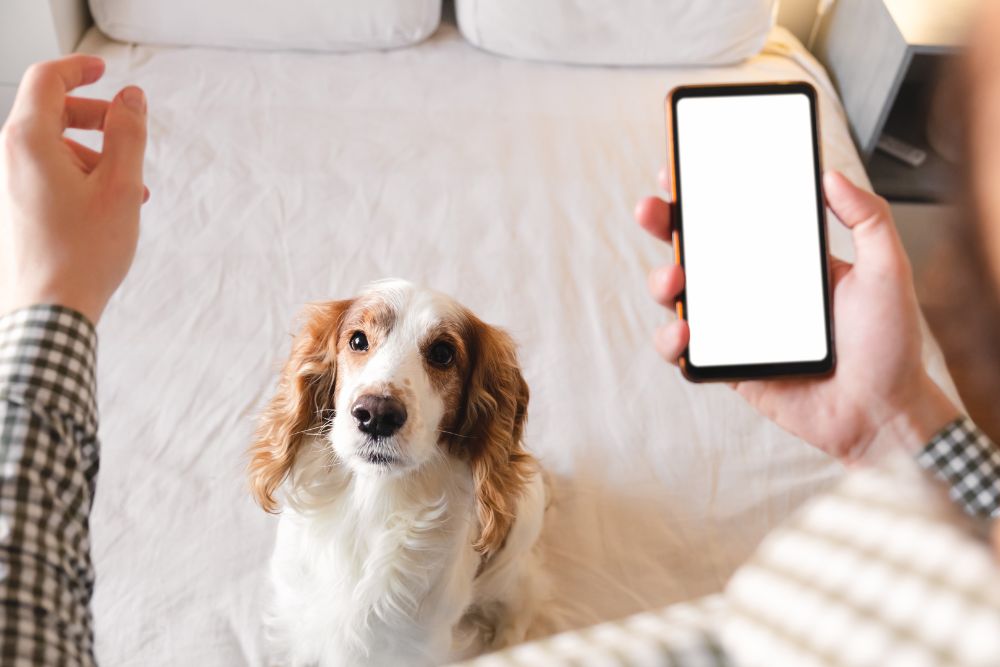
Training your dog has never been easier, thanks to a growing lineup of dog training apps. Whether you want to nail basic commands, work through behavior issues, or teach advanced tricks, a good training app puts professional-style guidance in your pocket — on your schedule, not a trainer’s.
Below is an updated look at the best dog training apps, how to pick the right one for your dog, and a quick comparison table so you can scan your options at a glance.
Why Use a Dog Training App?
Dog training apps have grown in popularity for a few good reasons:
- Convenience: train your dog on your own schedule, anywhere, anytime.
- Affordability: most training apps cost far less than hiring a private trainer.
- Professional input: many apps are built or endorsed by certified dog trainers and canine behaviorists.
- Customization: programs can adapt to your dog’s age, breed, and personality.
- Progress tracking: built-in logs help you see what’s working and stay motivated.
How to Choose the Best Dog Training App
Not every app is built the same way, and the right pick depends on your training goals and your dog’s individual needs. Here’s what to weigh:
- Training style: positive reinforcement and reward-based training are consistently the most effective, dog-friendly approach — look for an app built around it.
- User interface: a clean, easy-to-navigate app is one you’ll actually stick with.
- Customization: dogs vary a lot in temperament and size, so an app that adapts lessons to your specific dog is worth more than a generic checklist.
- Video instruction: watching a technique demonstrated is almost always easier to follow than reading text alone.
- Progress tracking: a visible record of what you’ve covered keeps both you and your dog moving forward.
Why Positive Reinforcement Matters in a Training App
Positive reinforcement is widely regarded as the most effective and dog-friendly training method available, and the goal of any good training program is simple: encourage your dog to repeat the behavior you want.
Most training apps lean on this model, describing their approach as reward-based or positive-reinforcement training, which also happens to build a stronger bond between you and your dog. Expect to see references to clicker training, verbal praise, and treat or food recommendations throughout — the goal is always to help your dog learn without fear or stress.
10 Dog Training Apps Worth Trying
1. Dogo — Your Dog’s Favorite Trainer
Dogo is one of the highest-rated dog training apps, offering step-by-step video instruction across a wide range of programs, plus the option to get personalized feedback from certified trainers.
Features: 100+ guided programs, built-in clicker sound, program tracking.
Best for: all dogs, from basic obedience through advanced tricks.
Why it stands out: personalized trainer feedback adds a layer most training apps don’t offer.
2. Puppr — Dog Training & Tricks
Puppr is built for dogs of any age and owners of any experience level. It’s straightforward to use, with training content developed alongside celebrity dog trainer Sara Carson.
Features: step-by-step lessons, built-in clicker, live chat support.
Best for: beginners and owners committed to positive-reinforcement-only training.
Why it stands out: video lessons taught by a well-known trainer.
3. GoodPup — 1-on-1 Video Training
GoodPup takes a more personal approach, connecting you with certified trainers over live video for sessions built around your dog’s specific issues.
Features: live video chat with trainers, custom training plans.
Best for: owners dealing with specific problems who want real-time, one-on-one coaching.
Why it stands out: fully personalized, live sessions rather than pre-recorded lessons.
4. Woofz — Dog Training & Care
Woofz blends training with broader care guidance, organizing sessions that cover everything from potty training to obedience.
Features: structured training tips, progress tracking, general care advice.
Best for: owners who want general training plus everyday care guidance in one place.
Why it stands out: combines training methodology with a more holistic approach to dog care.
5. Pupford — Free Dog Training
Pupford offers a large, free library of training videos and supporting resources, with content built around positive reinforcement.
Features: video tutorials, behavior management guidance, community support.
Best for: owners who want quality training content without a subscription cost.
Why it stands out: free access to a genuinely deep library of lessons and community discussion.
6. Pocket Puppy School
Pocket Puppy School keeps things simple: basic commands and tricks organized into a weekly routine of short, daily practice sessions.
Features: daily training routine, progress tracking, bite-sized lessons.
Best for: new dog owners, or anyone who prefers a short daily habit over long sessions.
Why it stands out: the daily-practice structure makes consistency easy, even for multi-dog households.
7. PetCoach by Petco
PetCoach goes beyond training, giving you access to advice on health and nutrition alongside training guidance, with the option to message a trainer or veterinarian directly.
Features: health tips, training advice, direct Q&A with a trainer or vet.
Best for: owners who want holistic care advice, not just training.
Why it stands out: few training apps combine real-time training advice with health and wellness support.
8. Bark Happy — Social Dog Network
Bark Happy isn’t a training app in the traditional sense — it’s a social network for dogs and their owners, which makes it a useful supplement for socialization-focused training.
Features: local meetups and events, a directory of dog-friendly happenings, general training tips.
Best for: socially-minded owners who want to build their dog’s comfort around other dogs and people.
Why it stands out: helps both dog and owner build a real community, not just a training log.
9. Doggy Time — Dog Care and Training
Doggy Time focuses on tracking your dog’s activity and training progress without requiring a wearable tag or collar.
Features: activity tracking, training logs, reminders.
Best for: owners who like to keep a detailed, organized record of their dog’s progress and health.
Why it stands out: integrates training with broader health and habit tracking.
10. Doggo — Dog Training Made Personal
Doggo breaks training into small, manageable lessons that teach good manners and basic commands through positive reinforcement without overwhelming you or your dog.
Features: short lessons, positive-reinforcement focus.
Best for: busy owners who want an effective way to train in small chunks of time.
Why it stands out: genuinely quick, on-the-go sessions that still add up to real progress.
Quick Comparison
| App | Best For | Pricing Model | Live Trainer Access |
|---|---|---|---|
| Dogo | All-around training, beginner to advanced | Free tier + subscription | Yes (add-on) |
| Puppr | Beginners, positive reinforcement | Subscription | Chat support |
| GoodPup | Specific behavior issues | Subscription | Yes (live video) |
| Woofz | Training + general care | Subscription | No |
| Pupford | Free, self-guided learning | Free | No |
| Pocket Puppy School | Daily short sessions | Free / subscription | No |
| PetCoach | Training + health advice | Free / pay-per-question | Yes (chat) |
| Bark Happy | Socialization | Free | No |
| Doggy Time | Activity + training logs | Free / subscription | No |
| Doggo | Quick daily lessons | Subscription | No |
Pricing models and features change over time, so always confirm current details in the app store listing before subscribing.
Frequently Asked Questions
Can a dog training app replace an in-person trainer?
For basic obedience and everyday behavior, apps can get you very far, especially the ones offering video instruction and live chat. For serious issues like aggression, severe reactivity, or resource guarding, an in-person certified trainer or veterinary behaviorist is still the safer choice — some apps (like GoodPup) bridge the gap with live video coaching.
Are free dog training apps actually worth using?
Yes — apps like Pupford and Bark Happy offer genuinely useful free content. Free tiers are a great way to test whether app-based training fits your routine before committing to a paid subscription elsewhere.
How much time should I spend training with an app each day?
Short, consistent sessions beat long infrequent ones. Ten to fifteen minutes a day, focused on one or two skills, tends to produce better results than a single long weekly session.
What if my dog doesn’t respond to app-based training?
Every dog learns at a different pace, and some behavior issues need a trained eye to diagnose properly. If you’ve given an app’s program a fair, consistent try and aren’t seeing progress, that’s a good sign to bring in a certified professional trainer.
Final Thoughts
Dog training apps are a genuinely convenient way to make training fun for both you and your dog, whether you’re starting with a brand-new puppy or working through issues with an older dog. Match the app to your training goals and your dog’s personality, and you’ll get more out of it than a one-size-fits-all program.
Have a dog training app you swear by that isn’t on this list? Let us know in the comments — we’re always updating this guide as new apps and features come out.