
Online Dog Trainer Certification: How to Become a Certified Dog Trainer From Home
So you want to become a certified dog trainer, but going back to school full-time isn’t realistic. The good news: several respected programs let you earn a real, recognized certification entirely online, at your own pace, often while working with real client dogs in your own area.
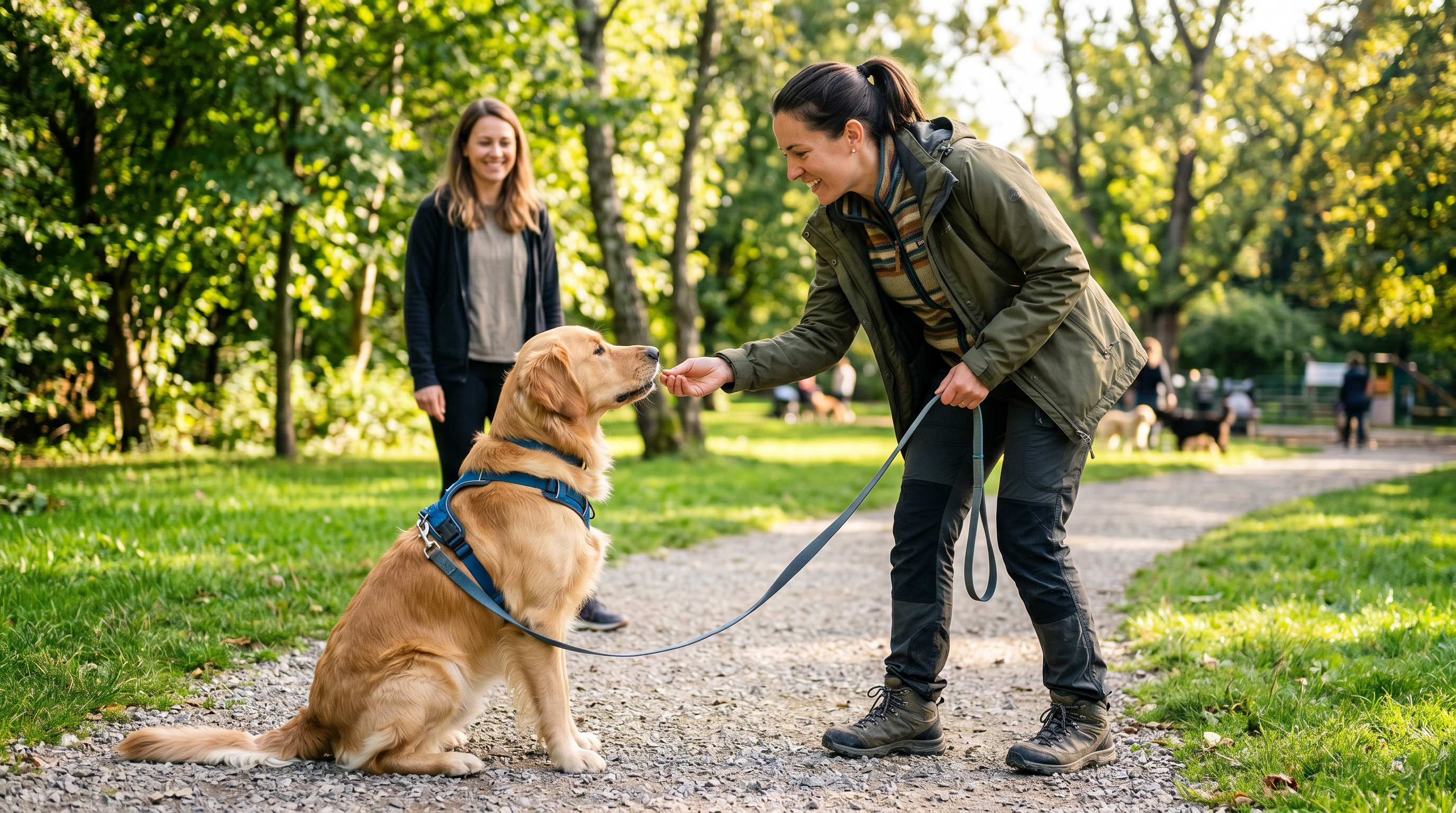
What “Certified Dog Trainer” Actually Means
“Certified” isn’t a legally protected title in dog training, which is exactly why the certifying body matters. Look for trainers certified through the Certification Council for Professional Dog Trainers (CCPDT), which awards the CPDT-KA credential, or programs that require supervised hands-on hours with real dogs, not just a multiple-choice quiz at the end of a video course.
1. CATCH Canine Trainers Academy
CATCH is one of the most established online certification programs, combining video lessons with in-person mentorship from a certified CATCH trainer in your area. Graduates earn the CDT (Certified Dog Trainer) credential and the program is accredited by the American Society for the Prevention of Cruelty to Animals in its founding partnership. Expect to pay around $2,000-$3,000 depending on payment plan, with several months of coursework plus mentored hours.
2. Karen Pryor Academy
Karen Pryor Academy’s Dog Trainer Professional program is built around clicker training and positive reinforcement, and it’s a favorite among trainers who want a science-heavy, force-free foundation. The program blends self-paced online modules with live workshops and mentored teaching sessions, and graduates can go on to earn the KPA CTP credential. It’s a serious commitment: around six months and roughly $3,700, but it’s respected across the positive-reinforcement training world.
3. Animal Behavior College
Animal Behavior College (ABC) pairs online coursework with a hands-on externship at a local shelter or veterinary clinic, so you graduate having actually handled a wide variety of dogs rather than just watching videos. It’s one of the more affordable accredited options, typically running $2,900 to $5,600 depending on financing, and it’s approved for VA educational benefits, which matters if you’re a veteran.
4. Penn Foster Dog Obedience Training Program
Penn Foster is a long-running distance-education school, and its dog obedience training program is one of the cheapest ways into the field, usually a few hundred dollars for the full self-paced course. It won’t carry the same weight as CATCH or KPA on its own, but it’s a reasonable low-cost starting point if you want to test whether dog training is the right career before committing to a pricier program.
How Much Does Certification Cost, and How Long Does It Take?
Budget anywhere from a few hundred dollars for a bare-bones program like Penn Foster up to $3,000-$5,600 for a fully accredited option with a supervised externship, like CATCH or Animal Behavior College. Most programs take between three and twelve months to complete, depending on how quickly you move through the coursework and how easily you can log hands-on hours with real dogs in your area.
Frequently Asked Questions
Do I need a certification to become a dog trainer?
No. Dog training is unregulated in most places, so technically anyone can call themselves a trainer. A certification matters for building client trust, qualifying for insurance, and getting hired by boarding facilities, shelters, or veterinary clinics that require one.
Can I really get certified entirely online?
Mostly, yes. The coursework and exams for programs like CATCH, Karen Pryor Academy, and Animal Behavior College are online, but the strongest programs still require supervised hands-on hours with real dogs, arranged locally through a mentor trainer or externship site near you. Be wary of any program that skips hands-on requirements entirely.
How much can a certified dog trainer earn?
Earnings vary widely by location and business model. Trainers working for a facility often start around $30,000-$45,000 a year, while established trainers running their own private one-on-one or board-and-train business can earn significantly more, especially once they build a referral base and offer higher-priced specialty services.
The Bottom Line
If you want the most respected, well-rounded credential, CATCH or Karen Pryor Academy are the strongest picks. If budget is your main constraint, Animal Behavior College gives you an accredited option with a real externship for less. And if you’re just testing the waters before committing serious money, Penn Foster is a low-risk way to start. Whichever program you choose, prioritize hands-on hours with real dogs over a certificate you can earn from a couch.
Not ready to commit to a full certification program yet? Our roundup of the best online dog training courses covers lower-cost options for sharpening your own skills first.
