Top 10 Most Dangerous Dog Breeds
Dogs are often called man’s best friend, but a handful of breeds keep showing up on “most dangerous” lists because of their size, strength, and instinctual drives. It’s worth being upfront about something before diving in: no breed is inherently dangerous. Poor training, lack of socialization, and irresponsible ownership are the biggest drivers of aggression in any dog, and genetics/breeding history mainly shape a dog’s potential rather than guarantee its behavior.
It’s also worth knowing that “dangerous breed” rankings mix a few different signals that don’t always point the same direction: raw size and bite force (which determine how serious an incident could be), historical breeding purpose (guarding vs. herding vs. sled-pulling), and actual incident/insurance-claim data. Interestingly, breeds like the Alaskan Malamute and Siberian Husky make lists like this mostly because of size and prey drive rather than aggression toward people — the American Temperament Test Society has historically scored both breeds quite well for stability around strangers. Keep that nuance in mind as you read the list below.
Owning a powerful breed is a real responsibility. Proper training and early socialization shape behavior far more than breed alone does, and most documented incidents trace back to neglect or mishandling rather than something inherent to the dog.
The List: 10 Powerful Breeds That Require Serious Commitment
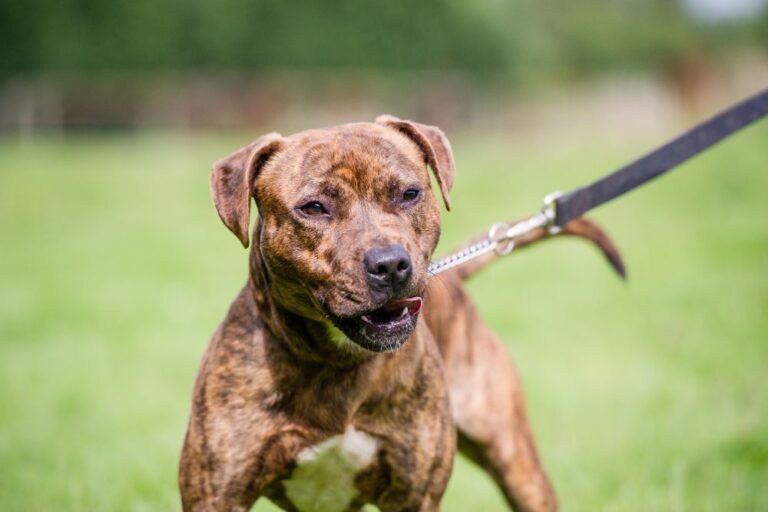
1. Pit Bull Terrier
One of the most controversial breeds, largely due to its strength, tenacity, and history in dog fighting. Many pit bulls are loving, affectionate family dogs, but their powerful bite and determination mean they need firm training, early socialization, and an experienced owner to develop into well-balanced adults.
Size: Medium (30-60 lbs) • Temperament: Confident, strong-willed, energetic • Precaution: Early socialization and consistent training are non-negotiable.
2. Rottweiler
Intelligent and loyal, but bred for guarding and herding, which shows up as a strong territorial streak. Without proper training, Rottweilers can become overprotective and wary of strangers.
Size: Large (80-135 lbs) • Temperament: Loyal, alert, confident • Precaution: Needs firm leadership and socialization from puppyhood.
3. German Shepherd
Commonly used in police and military work thanks to their intelligence and drive. Their protective instincts can tip into aggression without structured training and consistent mental stimulation — an under-exercised German Shepherd is a recipe for behavior problems.
Size: Large (50-90 lbs) • Temperament: Courageous, intelligent, loyal • Precaution: Needs consistent training and real mental stimulation, not just physical exercise.
4. American Bulldog
Muscular and strong-willed, American Bulldogs need early training to prevent dominance-related behavior. They’re naturally protective of family, which without socialization can become outright aggression toward strangers.
Size: Large (60-120 lbs) • Temperament: Confident, protective, determined • Precaution: Needs strong, consistent leadership and early socialization.
5. Doberman Pinscher
Loyal, alert, and often used as guard dogs. Dobermans can become wary of strangers and reactive without proper socialization, though a well-raised Doberman is typically an attentive, biddable family dog.
Size: Large (60-100 lbs) • Temperament: Loyal, fearless, intelligent • Precaution: Requires socialization and firm, fair training.
6. Alaskan Malamute
A strong working breed built for endurance and hauling, not guarding or fighting. Their independence can make training a challenge, and their strong prey drive means they may not be safe around small animals unless carefully managed — but true aggression toward people is not a defining trait of the breed.
Size: Large (75-100 lbs) • Temperament: Playful, independent, stubborn • Precaution: Needs regular vigorous exercise and patient, consistent training.
7. Husky
Friendly and famously mischievous, but high energy and a strong prey drive can make Huskies unpredictable around small animals. Their stubbornness can make obedience training slower going, and an under-stimulated Husky often turns to destructive behavior rather than aggression.
Size: Medium to large (35-60 lbs) • Temperament: Energetic, friendly, mischievous • Precaution: Needs constant physical and mental exercise.
8. Bullmastiff
Bred originally for guarding, Bullmastiffs are powerful, protective dogs whose sheer size makes proper training essential. A well-socialized Bullmastiff is famously gentle with its own family, but poor training on a dog this large is a genuine safety issue.
Size: Large (100-130 lbs) • Temperament: Loyal, protective, strong-willed • Precaution: Needs early training and firm, calm leadership.
9. Cane Corso
Strong, intelligent, and naturally protective, the Cane Corso is one of the top guard-dog breeds and needs an experienced handler who can establish clear leadership. Their size and bite force make them formidable, so training and socialization aren’t optional extras — they’re the whole job of owning one.
Size: Large (90-120 lbs) • Temperament: Protective, intelligent, confident • Precaution: Requires extensive training and socialization from an experienced owner.
10. Great Dane
A gentle giant in temperament, but sheer size and strength mean an untrained or poorly socialized Great Dane can cause real accidental harm just through size and momentum, not malice. Despite the imposing stature, Great Danes are famously affectionate and loyal, and they thrive in a stable, structured home.
Size: Giant (110-175 lbs) • Temperament: Friendly, affectionate, playful • Precaution: Needs consistent training and socialization to manage sheer size responsibly.
Quick Reference Table
| Breed | Size | Primary Risk Factor | Experience Level Needed |
|---|---|---|---|
| Pit Bull Terrier | Medium | Bite strength, reputation | Experienced |
| Rottweiler | Large | Territorial guarding | Experienced |
| German Shepherd | Large | Protective instinct, under-stimulation | Intermediate |
| American Bulldog | Large | Dominance behaviors | Experienced |
| Doberman Pinscher | Large | Wariness of strangers | Intermediate |
| Alaskan Malamute | Large | Prey drive, stubbornness | Intermediate |
| Husky | Medium-Large | Prey drive, escape artistry | Intermediate |
| Bullmastiff | Large | Size, guarding instinct | Experienced |
| Cane Corso | Large | Bite force, guarding drive | Experienced |
| Great Dane | Giant | Accidental harm from size alone | Intermediate |
Frequently Asked Questions
Are these breeds actually more likely to bite than others?
It’s mixed. Some, like the Pit Bull Terrier and Rottweiler, do show up more often in serious-injury statistics, though experts widely agree that owner behavior, socialization, and individual temperament are bigger predictors than breed. Others on this list, especially the Husky and Alaskan Malamute, are here mainly because of size and prey drive rather than a documented tendency toward biting people.
Should I avoid these breeds as a first-time dog owner?
Not necessarily, but go in with eyes open. Breeds marked “experienced” above genuinely benefit from an owner who has handled a strong-willed or powerful dog before, or who is committed to working closely with a professional trainer from day one.
Does size alone make a dog dangerous?
Size increases the potential severity of any incident, which is why large and giant breeds appear on lists like this even when their temperament (like the Great Dane’s) is famously gentle. A 15-pound dog with poor training is a nuisance; a 150-pound dog with poor training is a genuine hazard, regardless of intent.
What’s the single biggest factor in preventing aggression in a powerful breed?
Early, consistent socialization — ideally starting in puppyhood, well before the fear-impact stage most dogs go through in their first few months. Structured obedience training and clear household rules matter almost as much, since powerful, independent-minded breeds test boundaries more than average.
Final Thoughts: Responsible Ownership Matters
These breeds show up on “most dangerous” lists for real reasons — strength, drive, or sheer size — but a dog’s behavior depends overwhelmingly on its upbringing, training, and socialization. Any dog, regardless of breed, can be loving and well-mannered with proper care and responsible ownership, and any dog can become a real problem without it.
If you’re considering one of these breeds, commit to consistent training, early socialization, and enough exercise to match their energy level — that combination does more for safety than breed selection alone ever will.
Would you add any other breeds to this list? Let us know your thoughts in the comments.