Instinct Dog Training: How to Harness Your Dog’s Natural Behaviors

Isn’t it funny how our dogs almost always seem to get right to the point, as if to say, “hey, I’m your dog, and now I’m going to dig in your flower garden”?
If you’ve experienced this, you’re witnessing pure, raw animal instinct in action. But here’s the thing — what if you could harness those instincts to bring more harmony into your home instead of fighting them? Let me introduce you to instinct-based dog training.
What Is Instinct Dog Training?
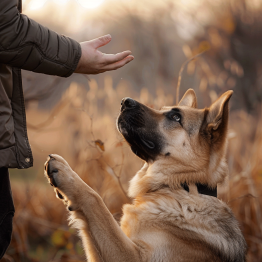
This approach is all about understanding your dog’s natural behaviors and channeling them into good habits, rather than fighting the tendencies you deal with every day. A dog obsessed with digging can be trained to dig in one designated spot. A herding dog can be taught to “round up” toys into a basket. Either way, you’re working with your dog’s instincts rather than against them.
The trick is recognizing that most of what looks like “bad behavior” is actually just instinct with nowhere useful to go. Redirect that instinct toward something constructive — and, let’s be honest, less annoying — and everyone’s happier.
TIP: Spend some time just watching and analyzing your dog’s behavior before you start. Understanding what’s actually driving a behavior makes it much easier to redirect it productively.
Key Principles of Instinct Dog Training
- Know your breed. Every breed has its quirks. Terriers are notorious diggers, retrievers live to retrieve, herding breeds want to organize and control movement, and scent hounds want to follow their nose above almost anything else. Start by learning what your dog was bred to do — it makes training feel natural to them instead of arbitrary.
- Redirect, don’t resist. If your dog barks at every leaf that flutters by, don’t try to eliminate the behavior outright — redirect it. Teach a “quiet” command after one or two alert barks, or turn that energy into a fetch game instead. You’re putting the instinct to work for you rather than trying to suppress it entirely.
- Reward the right instinct. Positive reinforcement goes a long way here. When your dog channels an instinct in a way you like, reward it generously with treats, praise, or a belly rub. They’ll want to repeat whatever earns that response.
- Make it a game. Dogs learn best while having fun. Build their natural drives into games — if your dog loves to chase, set up a hide-and-seek game where they track down a toy or a person. It scratches the same itch as a real chase, just contained to your living room or yard.
Instinct Training by Breed Type
- Herding breeds (Border Collies, Australian Shepherds): channel the urge to control movement into structured games like herding balls or organized fetch, rather than letting it show up as nipping at heels or circling family members.
- Terriers: give a designated digging spot — a sandbox or a soft patch of yard — so the instinct has an approved outlet instead of your flower bed.
- Retrievers: lean into structured fetch and retrieve games, which satisfy the drive to carry and bring back objects almost effortlessly.
- Scent hounds (Beagles, Bloodhounds): nose-work games and scent trails give the instinct to track a productive, mentally tiring outlet.
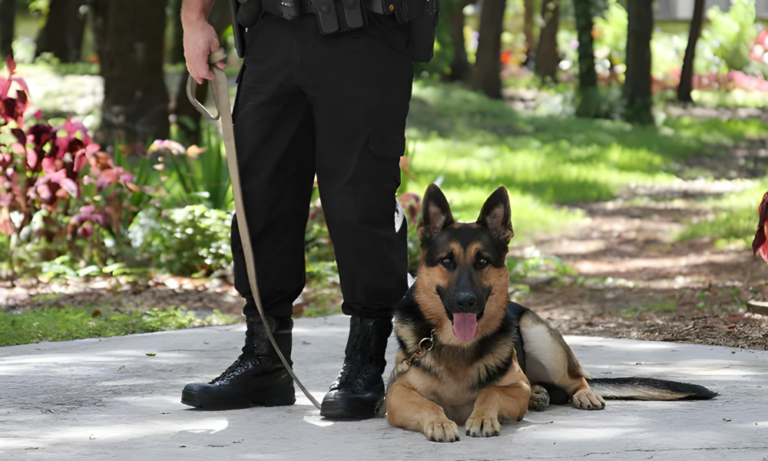
- Guardian breeds: structured socialization plus a controlled alert-and-settle command channels natural watchfulness without letting it tip into general suspicion of everyone.
Instinct in Action: A Quick Example
Say your dog chases every squirrel that crosses its path. Rather than fighting that instinct out of frustration, redirect it. Commands like “watch me” and “leave it” pull your dog’s attention back to you instead of the squirrel. Over time, your dog develops more interest in engaging with you than chasing every animal in sight. (Okay — nearly as much interest. Squirrels are tough competition.)
TIP: Dogs have short attention spans, especially young ones. Keep training sessions brief so your dog stays focused and the process stays genuinely fun rather than a slog.
The Perks of Instinct Training
Beyond better real-life behavior, this approach strengthens the bond between you and your dog. Training shifts from constant correction to something closer to co-learning — and dogs are noticeably more engaged and content when they’re working with an instinct rather than being asked to suppress it entirely.
Bringing Out the Best in Your Dog
Instinct training isn’t about turning your dog into something they’re not — it’s about recognizing what’s already there and pointing it somewhere useful. For more structured obedience work to pair with this approach, check out our dog obedience training guide.
Frequently Asked Questions
Can any instinct be redirected, or are some behaviors impossible to change?
Most instincts can be redirected into an acceptable outlet, even if they can’t be fully eliminated. A herding dog will likely always want to herd something — the goal is giving that drive an appropriate target (toys, structured games) rather than the mail carrier or the kids.
How long does it take to redirect an instinctive behavior?
It varies by dog and by how ingrained the behavior already is, but most owners see meaningful progress within a few weeks of short, consistent daily sessions. Deeply established habits (like a longtime digger) can take longer.
Is instinct training different from regular obedience training?
They complement each other rather than compete. Obedience training builds the communication and commands (sit, stay, leave it) that you then use to redirect instinctive behavior in the moment.
What if my dog’s breed instincts seem impossible to manage in my home environment?
This is common with high-drive working or herding breeds in apartments or without a yard. In these cases, structured outlets like nose-work classes, flirt-pole games, or scheduled fetch sessions can substitute for the space or job the breed was originally bred for.
A Happy Pack Is an Instinctive One
Your dog is already a bundle of energy and natural instinct, just waiting to be channeled productively. With a playful approach and the right outlets, you’re not just achieving a well-trained dog — you’re building a genuinely happier, more satisfied one. Isn’t that what every pet parent actually wants?
The next time your dog acts on instinct in a slightly obnoxious way, give it a chuckle. You have everything you need to turn that behavior into something genuinely good. Happy training!